POINT OF VIEW · 2026 VOL. 2 · THE AI SUPPLY CHAIN
AI FACTORIES_
HOW DATA CENTERS CONVERT ELECTRONS INTO TOKENS
Every AI response is a product manufactured at a token factory: a data center. Data centers aren't just buildings; they are advanced machines. Electrical energy goes in, tokens and heat come out. Understand the machine and you understand the global supply chain underpinning the AI boom. Join us as we dissect the most powerful factories humans ever built.
EnergyThe Foundation
"You can't create an industry without energy."Jensen Huang · NVIDIA CEO
Every token begins with an electron. OpenAI's Stargate data center in Abilene, Texas will draw 1 gigawatt of power; enough to run the entire city of Seattle. Ahead: every bottleneck between the grid and the chip.
THE POWER CHAIN
Six StagesScroll to Energize
Follow the electron through every machine standing between the grid and the chip.
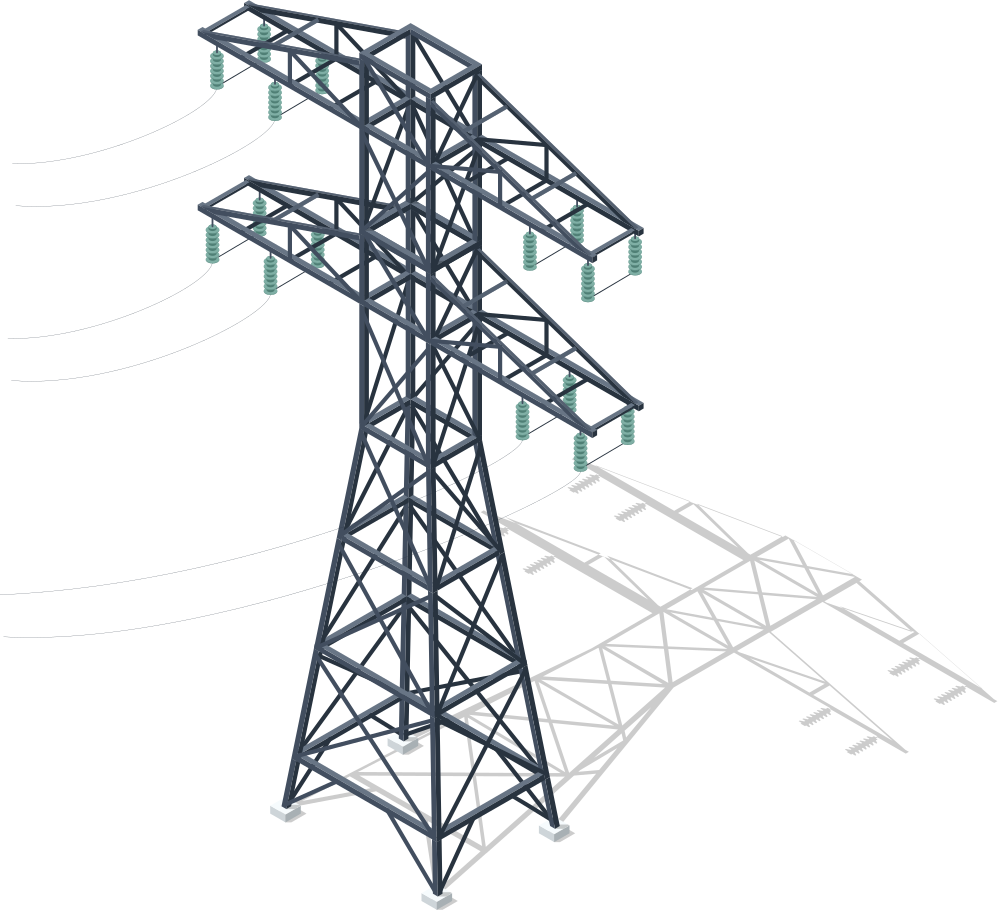
Transmission Lines
Transmission lines bring in electricity at very high voltages (115–500kV). Power grid connections can take 3 to 5 years to be approved.
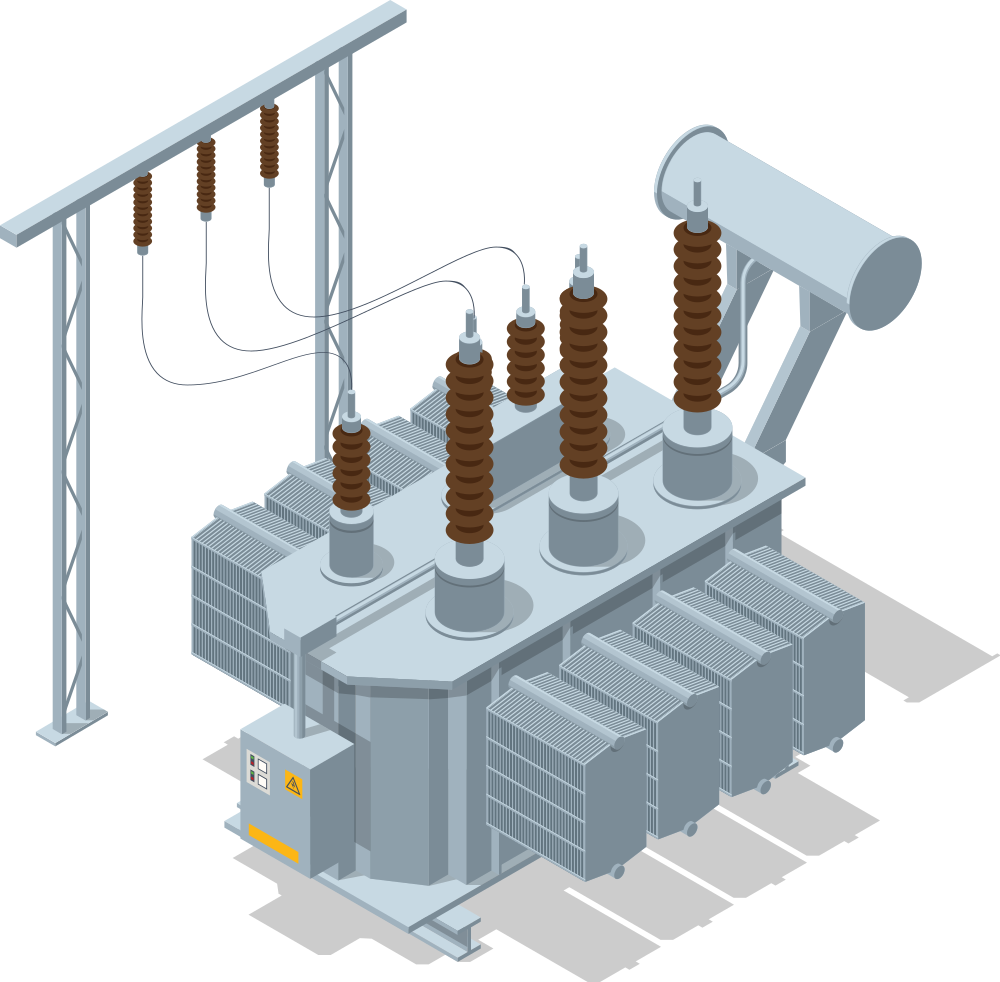
HV/MV Transformers
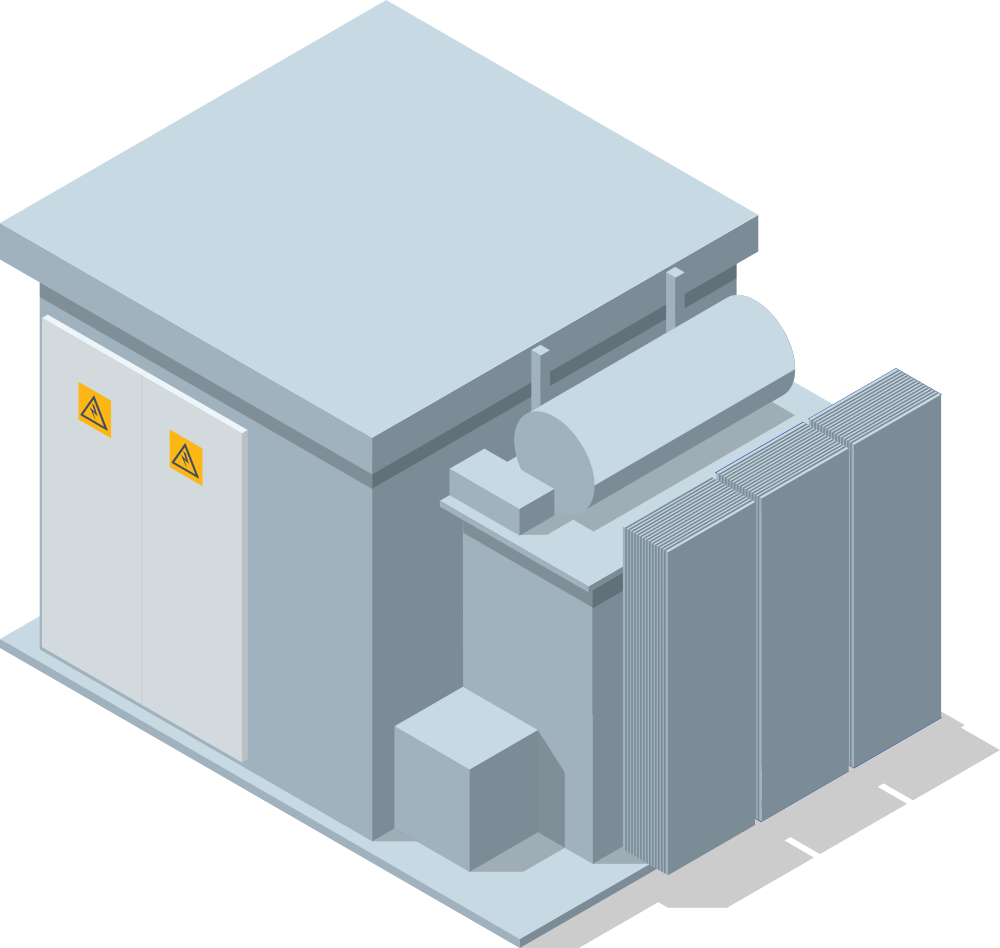
HV transformers step the grid voltage down to 20kV. MV transformers closer to the data halls step it down further to ~400V.
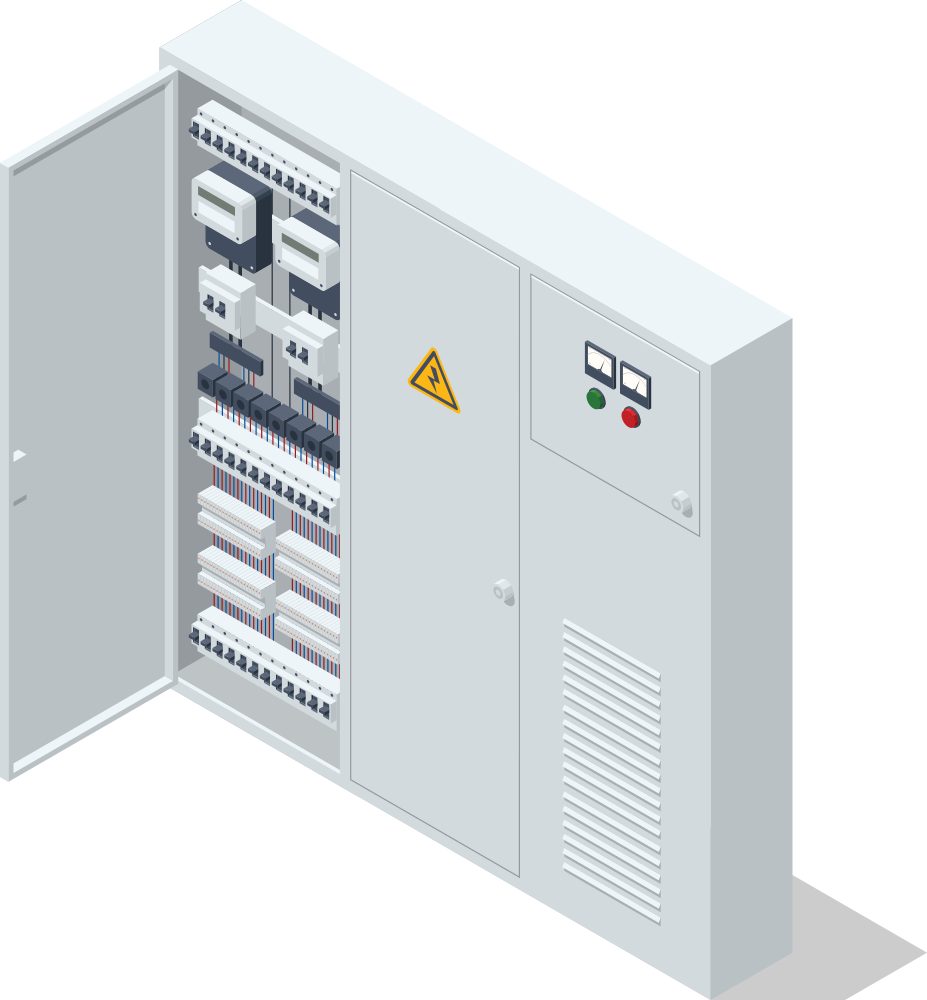
Medium Voltage Switchgear
Routes power to individual data halls and includes circuit breakers.
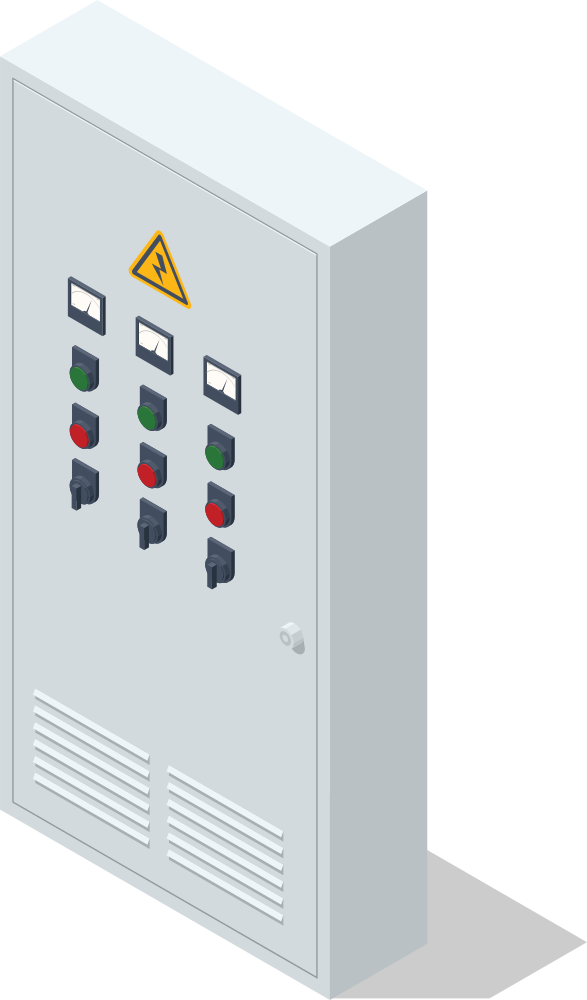
Auto Transfer Switch
Grid failure? Switches to backup power in under 20 milliseconds.
Generators + UPS
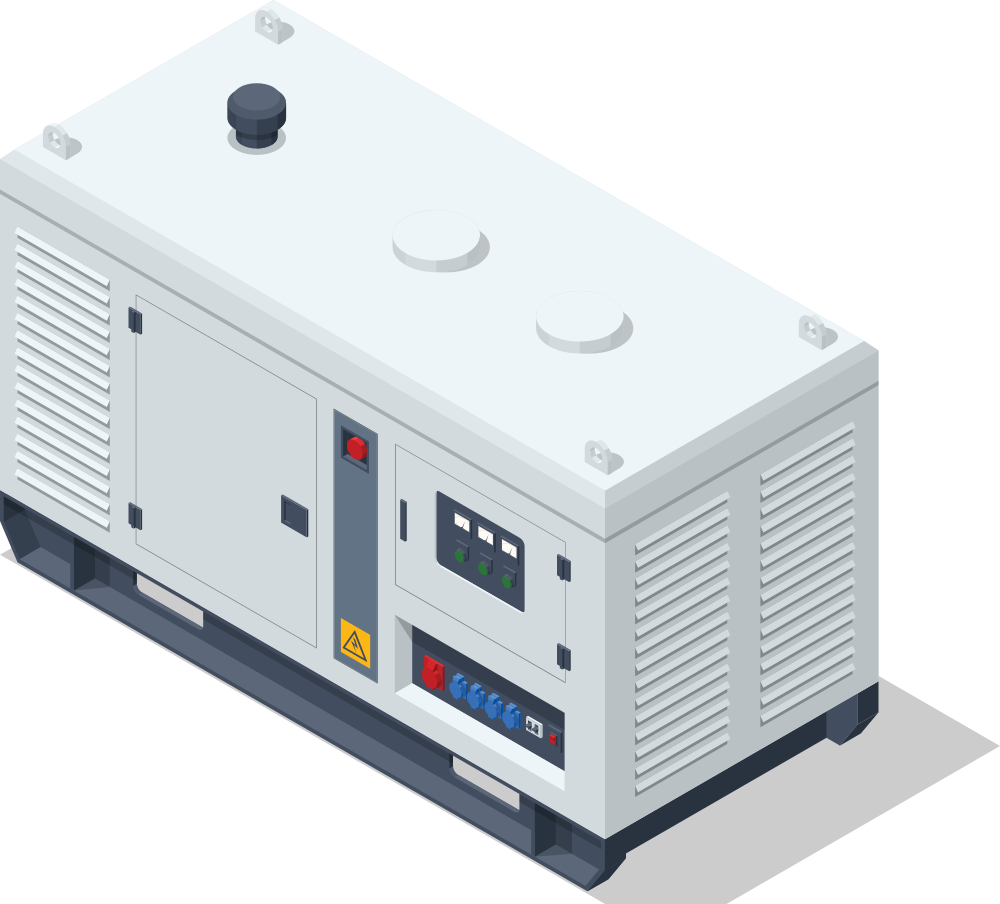
UPS bridges the power gap during a grid outage and smooths out fluctuations while generators kick in around 90 seconds.
Power Distribution Unit
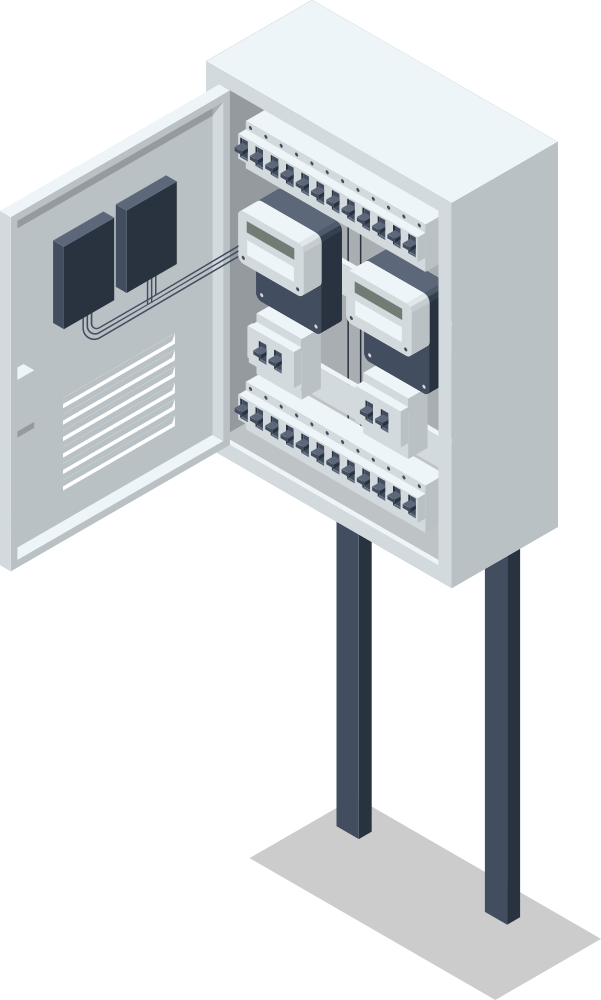
The last stop: the PDU splits power to each individual rack at ~400V. From here, electrons meet silicon.
Data HallsWhere Compute Happens
"Compute" means mathematical work: trillions of operations per second run by GPUs and CPUs. AI workloads require 10–100x more compute per rack than traditional servers running search and streaming.
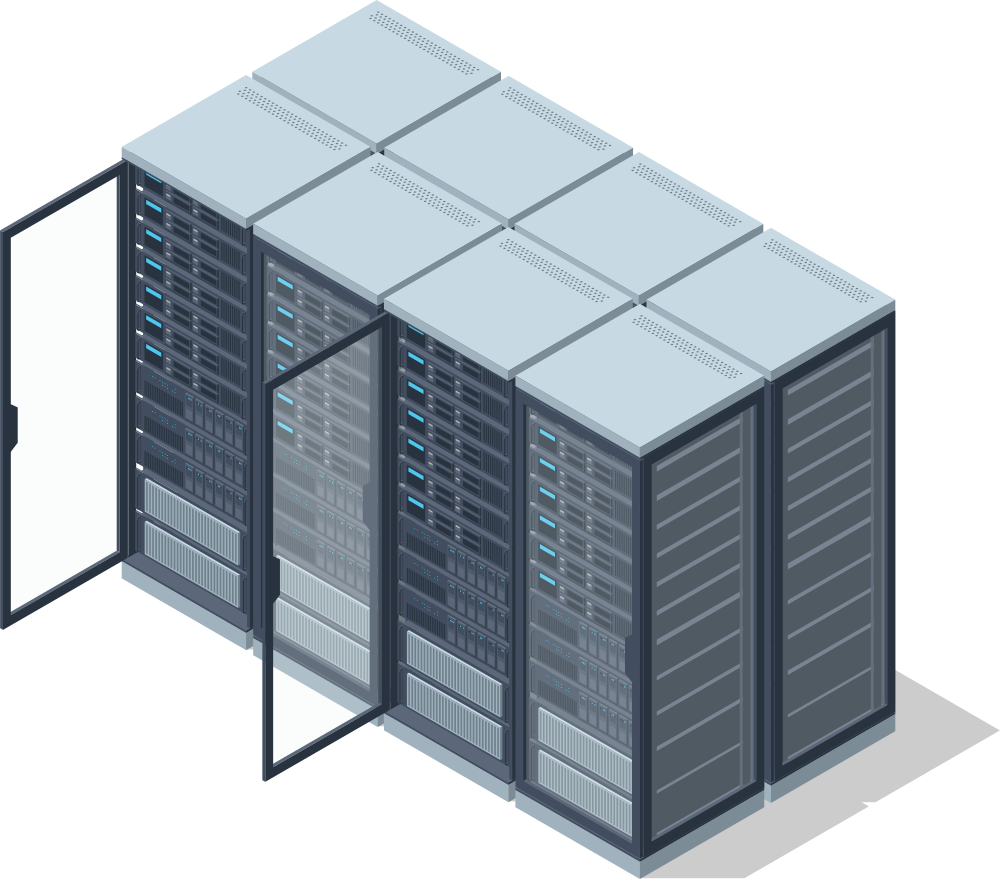
THE TOKEN FACTORY FLOOR · RACKS → SERVERS → CHIPS · ELECTRONS IN, TOKENS AND HEAT OUT
100x in 8 years
RACK POWER BY NVIDIA GENERATION (kW) · 1 kW = ONE AVERAGE HOMERacks
Cabinets of servers that can already pull up to 120 kW today; enough to power roughly 120 homes.
Servers
Individual trays in each rack, packed with GPUs, CPUs, memory and networking hardware.
Chips
GPUs and CPUs doing the math at ~1V; where the electrons turn into tokens and heat.
Cooling SystemIt's Getting Hot in Here
Every watt of electricity that goes in becomes a watt of heat. 100% of it. Cooling consumes up to 23% of the facility's total electricity usage, and the latest AI racks require liquid cooling; air cannot keep up.
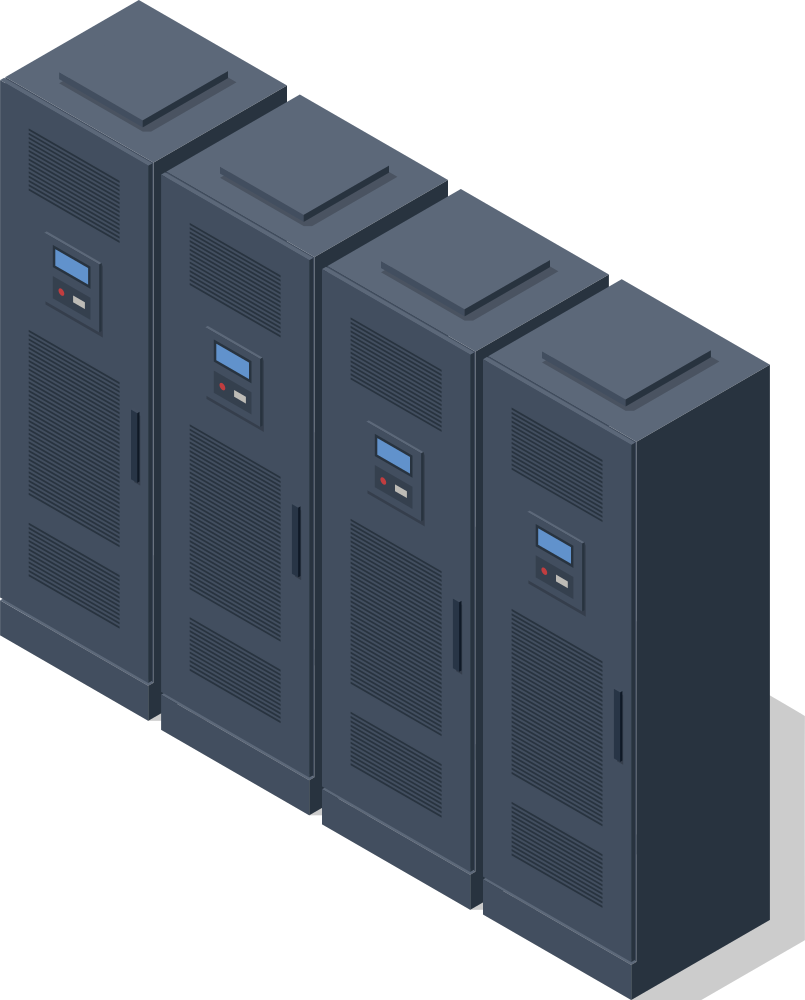
CDU / CRAH
Moves hot air or liquid away from racks using a Coolant Distribution Unit (CDU) or Computer Room Air Handler (CRAH). Returns cool liquid or air to the racks.
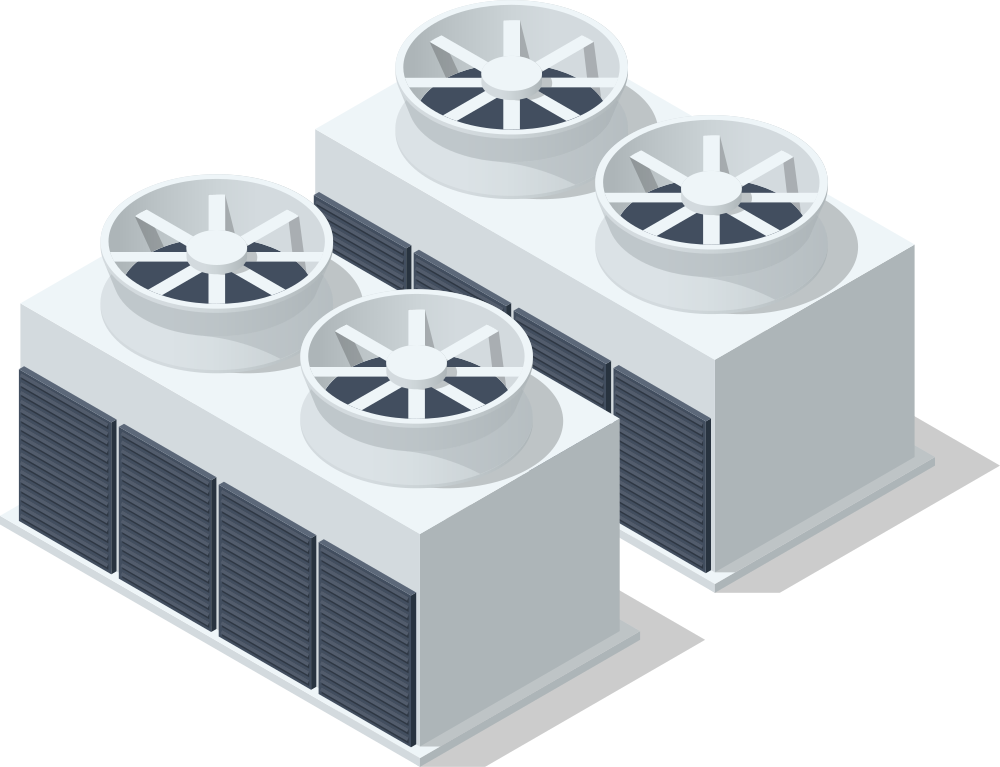
Chiller
Cools hot coolant and air from the racks and releases the heat into the atmosphere.
TokensThe Primary Outputs
Just as oil output is measured in barrels, AI output is measured in tokens. Tokens are the new industrial commodity: sold by the millions, billed in cents, and generating real revenue. AI demand could more than triple by 2030.
Global Data Center Demand
ACTUAL & FORECAST · GW BY WORKLOADNon-AI
Search, streaming, online software, gaming. Still 47% of today's capacity.
AI Inference
Using the model. Every AI response requires inference and creates recurring token usage for every user's query, every day. Inference is the fastest-growing workload.
AI Training
Teaching the model. The cost to train frontier LLM models has gone from ~$2M for GPT-3 to nearly $390M for the latest models. That's a lot of tokens.
What is a token?
A word, a pixel, an action. Every prompt in and response out is a stream of tokens: a fundamental unit measuring everything an AI model reads and writes. Tokens are priced and metered like electricity. More gigawatts = more tokens = more revenue.
The FootprintLand · Water · Minerals
Land Usage · Soccer Fields
With all the electrical, computing, and cooling equipment, data centers take up a lot of space. Stargate will take up as much space as 450 soccer fields.
Water Usage · Gallons / Year
Data centers can "drink" up to 334 million gallons per year, primarily to stay cool; enough to fill over 500 Olympic-sized pools. Operators are chasing the cold in cooler climates, underwater, and even in... space.
Critical Minerals · Imported
AI chips are built from imported minerals: gallium, germanium, indium, and tantalum, to name a few. The U.S. imports 100% of many of these.
TOKENS OUT_